
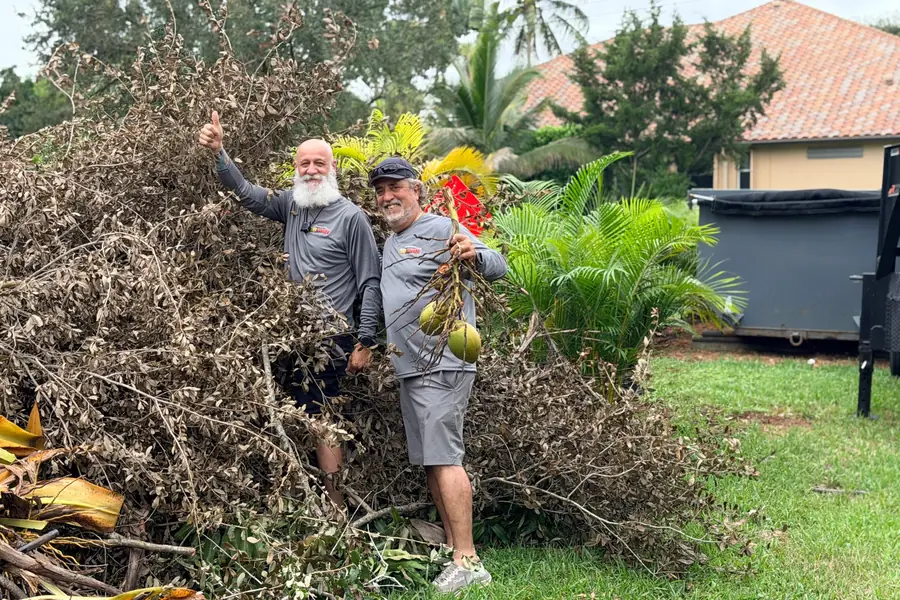
Debris piles up faster than most people expect. A weekend remodel, a backyard cleanup, or a heavy storm can leave behind material that is too bulky to move and too much for regular trash pickup. When it sits for too long, it blocks space, attracts pests, and makes a property look neglected.
A professional debris removal service can clear it all away without the rental truck, the trips to the dump, or the heavy lifting. If you have never booked one before, you may wonder what the visit involves. Understanding the process can help you feel prepared and know what to expect. This guide explains the main steps of a professional debris removal service in Broward County, FL.
Initial Discussion About the Debris
The process usually begins with a call or a request where you describe what needs to be removed. The team may ask what type of debris you have, where it is located, and when you would like service.
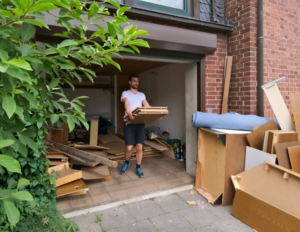
For example, you may have leftover materials from a remodel, branches and palm fronds from a tree trim, fallen limbs after a storm, or old furniture and broken items from a garage. A contractor may need a jobsite cleared so the next phase can start, while a landlord may need a lot or unit cleaned up between tenants.
It also helps to mention anything unusual, such as sharp materials, very heavy items, or things you are unsure about. Clear information helps the crew plan the job properly.
Assessment of the Debris and the Property
After the initial conversation, the crew reviews the type and amount of debris, along with how easy it is to reach. Access can change how long a job takes and how the crew approaches it.
The assessment usually looks at:
- The type of debris, such as household junk, renovation materials, yard waste, or storm damage
- The overall amount of material
- Where the debris is located on the property
- Access factors like stairs, gates, or tight spaces
- Anything that may need special attention before removal
A proper assessment helps the team give you an accurate quote and bring the right equipment to the job.
Understanding the Types of Debris Removed
Debris removal covers a wide range of materials. Common examples include:
- Household debris: old fixtures, scrap materials, and unwanted items left after a move, remodel, or cleanout.
- Yard debris: branches, brush, palm fronds, leaves, and other outdoor material from trimming or landscaping.
- Storm debris: fallen limbs, damaged materials, and scattered debris across yards, driveways, and walkways.
- Renovation and construction debris: leftover materials from remodeling and building projects.
Not every item is eligible for removal. Hazardous materials may need special handling, so it is best to ask before the service is scheduled if you are unsure about something.
Getting a Clear Quote and Scheduling
Before the work begins, you should receive a clear quote and agree on a pickup time that works for you. The cost usually depends on the type of debris, how much there is, and how easy it is to access.
Ask questions if anything is unclear. You can ask what is included, whether loading and hauling are part of the price, and whether flat-rate options are available. A clear explanation up front helps you avoid surprises on the day of service.
Loading and Hauling the Debris Away
On the day of service, the crew arrives, loads the debris, and hauls it away. You do not need to carry anything yourself.
This is where professional help makes the biggest difference. Branches, broken furniture, and construction scraps can be heavy, awkward, or sharp, and handling them alone takes time and effort. A trained crew takes care of the lifting, loading, and transport from start to finish, which also lowers the risk of injury.
When a Container Makes More Sense
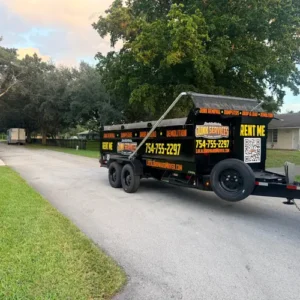
Sometimes a project is better suited to a container than a hauling service. If you are tearing out a kitchen, renovating over several days, or want to load material at your own pace, a rental may fit better. You can learn more about dumpster and dump trailer rental and ask the team to help you compare the two options.
Contractors with active jobsites may also benefit from contractor cleanouts, which help keep work areas clear so the next phase can begin on schedule.
Final Check of the Area
When the loading is finished, the crew does a final check to confirm the area is clear and clean before leaving. This is a good time to walk the property yourself and make sure everything you wanted removed is gone.
You are left with a clear yard, driveway, garage, or jobsite that is safer and ready to use again.
Tips to Prevent Debris From Piling Up Again
A little planning can keep debris under control:
- Deal with branches and yard waste soon after trimming.
- Clear storm debris as soon as it is safe to do so.
- Keep walkways, driveways, and exits free of clutter.
- Sort leftover project materials as you work instead of at the end.
- Schedule a pickup before debris starts blocking space or attracting pests.
South Florida properties deal with fast-growing landscaping, storm season, and steady renovation work, so regular cleanups can make a big difference.
When Should You Schedule Professional Debris Removal?
You should consider professional help when debris is too heavy or bulky to move yourself, when a storm has left damage on your property, after a remodel or large cleanout, or when a jobsite needs clearing. It is also a good option when you want to skip the rental truck and multiple dump runs.
If you need Debris Removal in Broward County FL, Specialty Moving Junk Services can handle the loading, hauling, and cleanup so you can get back to using your space. For larger demolition and renovation waste, you can also learn about our C&D removal service.
Get Professional Debris Removal With Specialty Moving Junk Services
Knowing what to expect makes the process much easier. From the first conversation and assessment to the quote, hauling, and final check, each step is designed to leave your property clear and clean.
If debris is taking over your yard, garage, or jobsite, contact Specialty Moving Junk Services at 754-755-2297 or request a free estimate. We will walk you through your options and get the work done in Broward County, FL.